Know the signs. Keep your distance.
The North American Cock Goblin is a poorly documented cryptid reported most often around drainage corridors, neglected outbuildings, and the untidy edges of roadside tree lines. It is associated with property disturbance rather than injury, which is the main reason it has never been taken seriously.
This Council does not claim the animal exists. We claim that people keep reporting the same specific things, in the same places, for a very long time, and that somebody ought to be writing it down properly. That has been our whole position since 1878 and it has cost us most of our credibility.
If you are here because something happened to you last night, skip the history. Go to the safety protocol first, then file a report while you still remember the order things occurred in.
Recently reviewed: CG-0992, Northampton County
Opened 29 July 2026 · public observation window closed 14 AugustThe Northampton County repeat-site sequence ran four nights: motion-light activation, objects moved short distances and set down again, and one three-note whistle that our audio volunteer described as "probably a bird, but I would like to be wrong."
No further correlated activity was documented during the review period. The file remains unresolved and has returned to the comparative archive; no continuing public advisory is in effect.
Recently added to the archive
Accepted submissions, most recent first-
Security footage from a utility lot shows a low upright silhouette crossing between two parked trucks at 4:06 A.M. No employee was on the property. The footage is not good. It is, however, ours, and it was not edited before it reached us, which puts it ahead of most of what we receive.
-
Coarse unidentified hair recovered from a crawlspace after six nights of scratching complaints. The sample was compromised in transit. We have said what we intend to say about that in the corrections page.
-
Four witnesses, four separate points along a creek corridor, twenty-two minutes. Still the strongest multiple-witness sequence in the file.
-
Six ceramic lawn animals moved overnight into a semicircle. Nothing taken. Included here because new readers always ask whether the property cases are really as silly as they sound, and they are.
Field profile
Provisional. Kept for cataloguing only.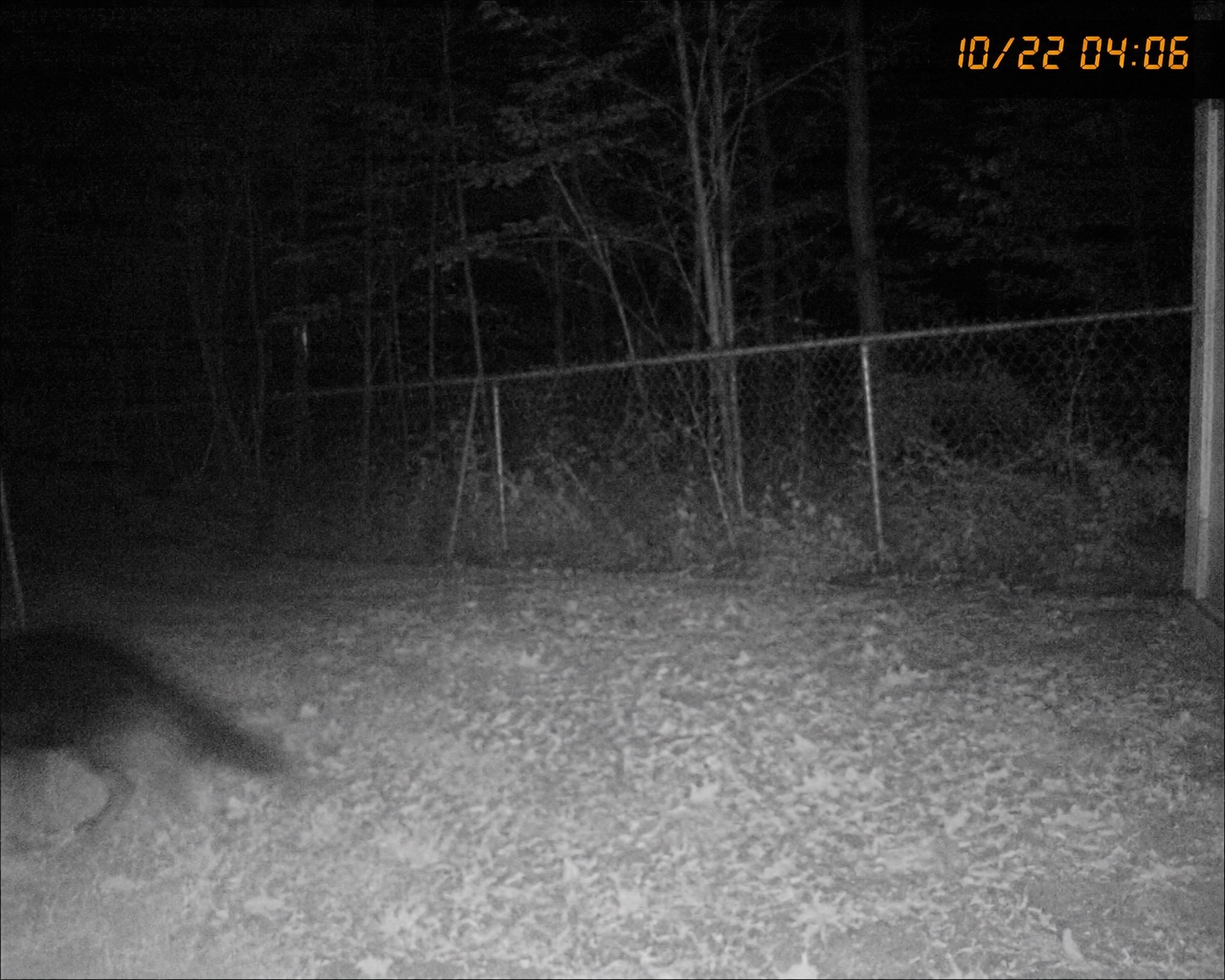
| Common name | Cock Goblin |
|---|---|
| Provisional name | Gobelinus galliformis (Spooner, 1891; never accepted) |
| Activity | Nocturnal, occasionally crepuscular |
| Estimated height | 0.9–1.4 m, though witness height estimates are close to worthless |
| Primary range | Mid-Atlantic and Appalachian corridor |
| Disposition | Watchful. Opportunistic about small objects. Otherwise hard to characterise honestly. |
| Evidence quality | Contested |
No preserved specimen has ever been independently verified. The binomial is not recognised by any zoological authority and we use it only so that the filing system has something to sort on. See Scientific Objections, which we recommend reading before the rest of this site rather than after.
About this archive
The Council traces itself to the Eastern Pennsylvania Society for Unclassified Night Fauna, formed in Bethlehem in 1878 after an incident along the Monocacy that four of the seven founders refused to describe in writing. The modern organisation was incorporated in 1989, mostly so that it could hold a bank account and insure a filing cabinet.
We hold roughly eleven hundred incident records. Thirty-six are published. The rest are withheld for the usual dull reasons: named private addresses, unresolved police involvement, or a witness who asked us not to.